Breach Analysis • JUN 22, 2026
The Tata Electronics Breach: Why Tier-1 Supply Chains Are the New Primary Target
For years, the cybersecurity discourse has centered on protecting the “crown jewels”—the core servers and databases of major global corporations. But the recent breach targeting Tata Electronics, a critical node in India’s burgeoning semiconductor and electronics manufacturing ecosystem, underscores a major strategic shift by threat actors: they are no longer kicking down the front door; they are coming in through the supply chain.
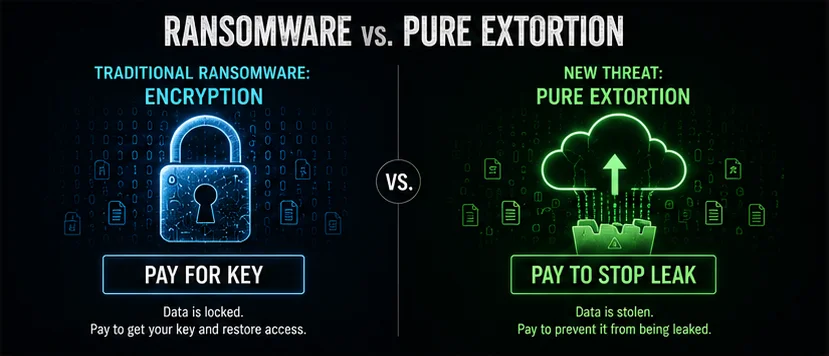
In late June 2026, the “World Leaks” extortion group claimed responsibility for exfiltrating over 630GB of sensitive data from Tata Electronics. This wasn’t a traditional ransomware attack involving encrypted systems and operational downtime. It was a pure extortion play. The attackers quietly compromised the network, identified the most valuable data—including technical schematics, customer blueprints (allegedly including designs for clients like Apple and Tesla), and employee information—and copied it before issuing their demands.
This attack is significant not just for the volume of data stolen, but for what it reveals about the vulnerability of India’s critical manufacturing growth. As India aggressively positions itself as a global semiconductor hub, massive investments and complex supply chains are being stood up rapidly. This expansion creates a massive, and often under-secured, attack surface.
The Strategy: Pure Extortion & Tier-1 Targeting
Threat actors are increasingly favoring pure data extortion over traditional ransomware encryption for several reasons. Primarily, it’s about operational efficiency and ROI. Encrypting massive industrial networks is noisy, time-consuming, and often results in legal and law enforcement scrutiny that attackers want to avoid. Pure extortion allows them to stay under the radar longer, steal the data, and exert pressure on the victim (and their high-profile clients) by threatening to leak proprietary intellectual property.
In the Tata Electronics case, the real leverage wasn’t just disrupting Tata’s operations, but the threat to the intellectual property of its Tier-1 partners. For multinational giants, a supplier’s breach can be more damaging than a direct attack, compromising future product roadmaps and competitive advantages.
Key Takeaways for Indian Enterprise
The Tata Electronics incident should serve as a wake-up call for Indian manufacturers and their global partners.
Rethink Supply Chain Risk Management: It is no longer sufficient to secure your own perimeter. Enterprises must demand verifiable security standards from their suppliers, including regular audits, penetration testing, and robust incident response plans. The security posture of your weakest supplier is now your security posture.
Focus on Data Security, Not Just Perimeter Defense: Assuming a breach will happen is critical. Organizations must prioritize robust data loss prevention (DLP) strategies, data encryption at rest and in transit, and strict access controls based on the principle of least privilege. Identifying and categorizing critical intellectual property is the first step.
Invest in Detection and Response: When attackers prioritize data exfiltration over encryption, dwelling times can be long. Early detection of anomalous lateral movement and data transfer is crucial. Investing in EDR (Endpoint Detection and Response) and MDR (Managed Detection and Response) services can help identify and neutralize these threats before the data leaves the network.
The semiconductor race is vital for India’s economic future, but it must be run securely. The Tata Electronics breach demonstrates that the industry’s digital foundations need as much investment and attention as the physical manufacturing plants themselves.