Cloud Security • MAY 04, 2026
The SaaS Security Debt: Why Fast-Moving Startups Are Hemorrhaging Data
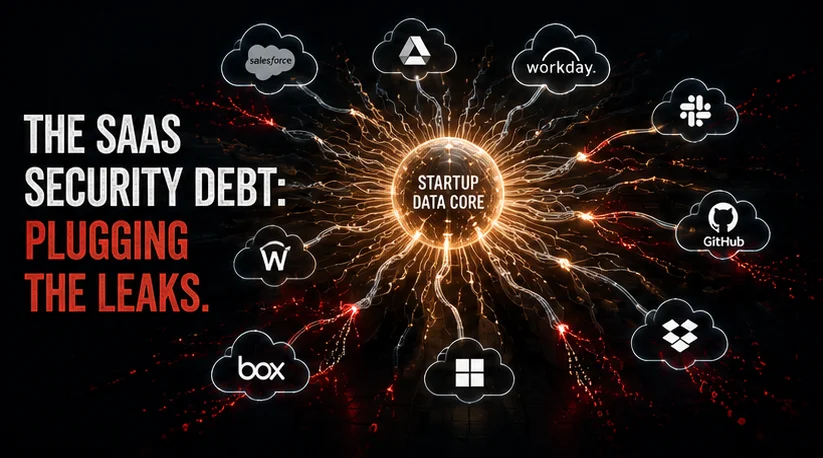
The modern startup doesn’t build infrastructure; it rents it. To scale at the velocity demanded by today’s market, SMBs and startups rely on an incredibly complex, interconnected web of Software-as-a-Service (SaaS) platforms. From CRM and HR platforms to billing systems and collaborative workspaces, the average 50-person company utilizes over 100 distinct SaaS applications.
This operating model enables unprecedented agility, but it also creates a massive, invisible attack surface. In 2026, we are seeing this “SaaS security debt” come due, resulting in devastating data hemorrhages for startups that thought they were secure simply because their cloud provider was secure.
The Illusion of Delegated Security
There is a dangerous misconception among founders that adopting a top-tier SaaS platform inherently outsources the security risk. While vendors like Salesforce, AWS, or Google Workspace secure their underlying infrastructure, the configuration of that environment and the access to your data remain entirely your responsibility. This is the Shared Responsibility Model, and a failure to understand it is leading to mass exposure.
Startups are suffering major breaches not because the SaaS platforms are being hacked, but because the startups are misconfiguring them.
The Three Pillars of SaaS Vulnerability
When we analyze recent post-incident reports impacting the startup ecosystem, three critical failures consistently appear as the root cause:
Over-Permissive Integration (OAuth Abuse): Startups love frictionless integration. When an employee connects a third-party analytics tool to your central CRM, they often grant broad “read/write” permissions via OAuth without a second thought. If that third-party analytics vendor is breached, the attackers can ride that trusted OAuth connection straight into your master database. You are effectively extending your security perimeter to vendors you don’t control.
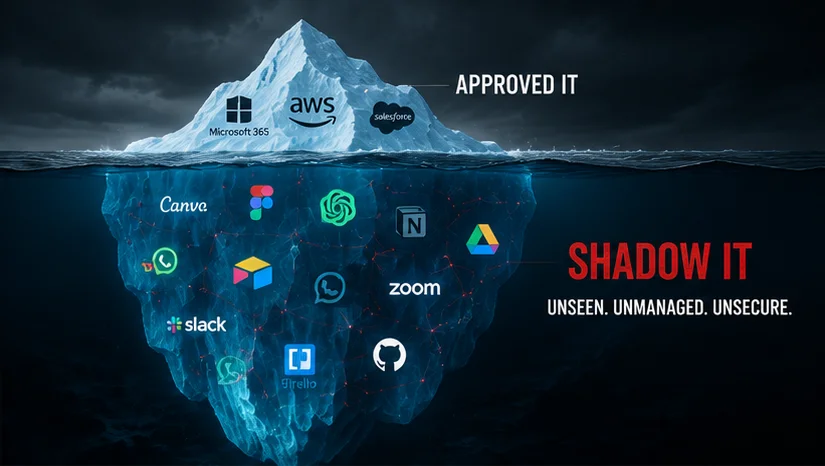
Shadow IT and Unvetted Adoption: In a fast-moving environment, teams adopt tools to solve immediate problems without waiting for IT procurement approval. This Shadow IT means sensitive company data (source code, customer lists, financial models) is routinely uploaded to unvetted, unmonitored platforms that lack basic security controls like SSO or enforced MFA.
Stale Offboarding: Startups have high turnover and frequent contractor engagements. When an employee leaves, their main email might be disabled, but what about their access to the specialized design tool, the developer sandbox, or the marketing automation platform? Orphaned accounts are a goldmine for attackers, providing silent, persistent access long after an employee has departed.
Paying Down the Debt
Startups must aggressively manage their SaaS posture before it manages them.
Establish a SaaS Inventory: You cannot secure what you cannot see. Use automated discovery tools to map every single application touching your corporate environment.
Centralize Access via SSO: Force all core applications behind a Single Sign-On (SSO) provider. If a tool doesn’t support SAML or SSO, strongly reconsider using it. This allows you to kill access to all systems with a single click during offboarding.
Audit App-to-App Permissions: Regularly review third-party OAuth integrations. Revoke access for legacy tools and enforce least-privilege for current integrations.
SaaS platforms are the engine of modern startups, but driving at top speed without a seatbelt is a guaranteed disaster. Securing the SaaS mesh is no longer optional; it is a foundational business requirement.