Threat Intelligence • MAY 11, 2026
From Secondary Target to Epicenter: Why India Faces 700 Ransomware Attacks Daily
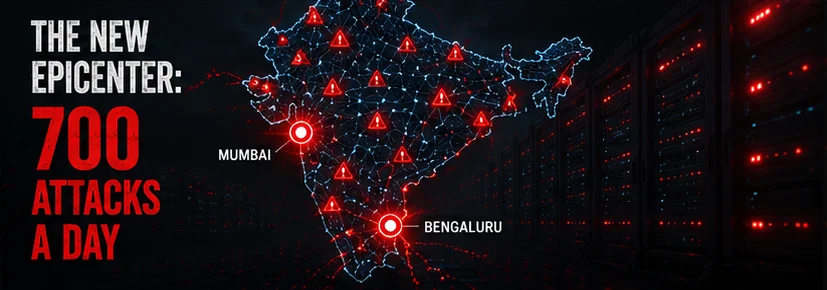
A few years ago, the Indian subcontinent was largely viewed by major ransomware syndicates as a secondary market. The massive, high-profile payouts were concentrated in North America and Western Europe. That reality has violently inverted. By mid-2026, India has transformed into the primary epicenter for ransomware in the APAC region, sustaining an estimated 700 attacks every single day.
Recent Q1 2026 telemetry shows a staggering 165% year-over-year surge in ransomware incidents across the country. We are watching well-resourced threat actors like Akira and Qilin treat Indian manufacturing, healthcare, and IT sectors as high-yield, low-resistance targets. The question analysts are asking is: why the sudden, aggressive pivot?
The Perfect Storm: Legacy OT Meets Cloud Sprawl
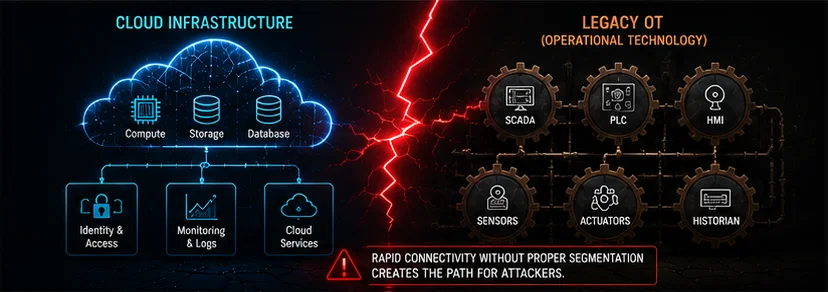
The root cause isn’t a sudden deterioration of defensive tools; it’s a structural gap born from rapid growth. India is undergoing one of the fastest digital transformations on the planet. However, this aggressive modernization is colliding head-on with deeply entrenched, legacy Operational Technology (OT).
Manufacturing and critical infrastructure plants are aggressively bolting cloud connectivity onto aging SCADA and PLC systems that were never designed for internet exposure. This creates a massively expanded, highly fragile attack surface. When you bridge an air-gapped industrial network to a heavily utilized cloud tenant without strict zero-trust parameters, you hand initial access brokers a golden ticket.
Identity is the New Exploit
The other major shift driving these numbers is how these attacks execute. The days of brute-forcing perimeter firewalls are largely over. In 2026, ransomware operators aren’t breaking in; they are logging in.
Exploited vulnerabilities and compromised credentials are now the leading root causes of Indian corporate breaches. Threat actors leverage unpatched edge devices, stolen session tokens, and illicit OAuth grants to bypass interactive authentication entirely. Once inside, they exploit flat network architectures to move laterally, exfiltrate data, and deploy the encryptor almost simultaneously.
Closing the Gap
Ransomware is no longer just a malware problem; it is fundamentally an identity and operational resilience challenge. For Indian enterprises to survive this sustained barrage, the strategic playbook has to change immediately.
Assume Breach: Perimeter defense will eventually fail. Transition to continuous monitoring and aggressive internal threat hunting.
Lock Down Identity: Enforce strict, conditional access policies. Audit non-human identities (API keys, service accounts, CI/CD tokens) just as ruthlessly as employee credentials.
Segment the Network: Isolate legacy OT from the corporate IT network. A compromised HR workstation should never have a routing path to a manufacturing floor controller.
The transition from a secondary target to the main event happened fast. Defending against it requires acknowledging that the old perimeter is dead.